FILE 01

Research

SELECTED WORK
R · I

Working Papers

[ note ]
Military Procurement and Spatial Structural Change
R.001 2026

Military Procurement and Spatial Structural Change: The Long-Run Effects of the US Civil War[ JMP ]

AEA - 2026 , UEA - 2026 (Student Prize (Finalist))

Abstract
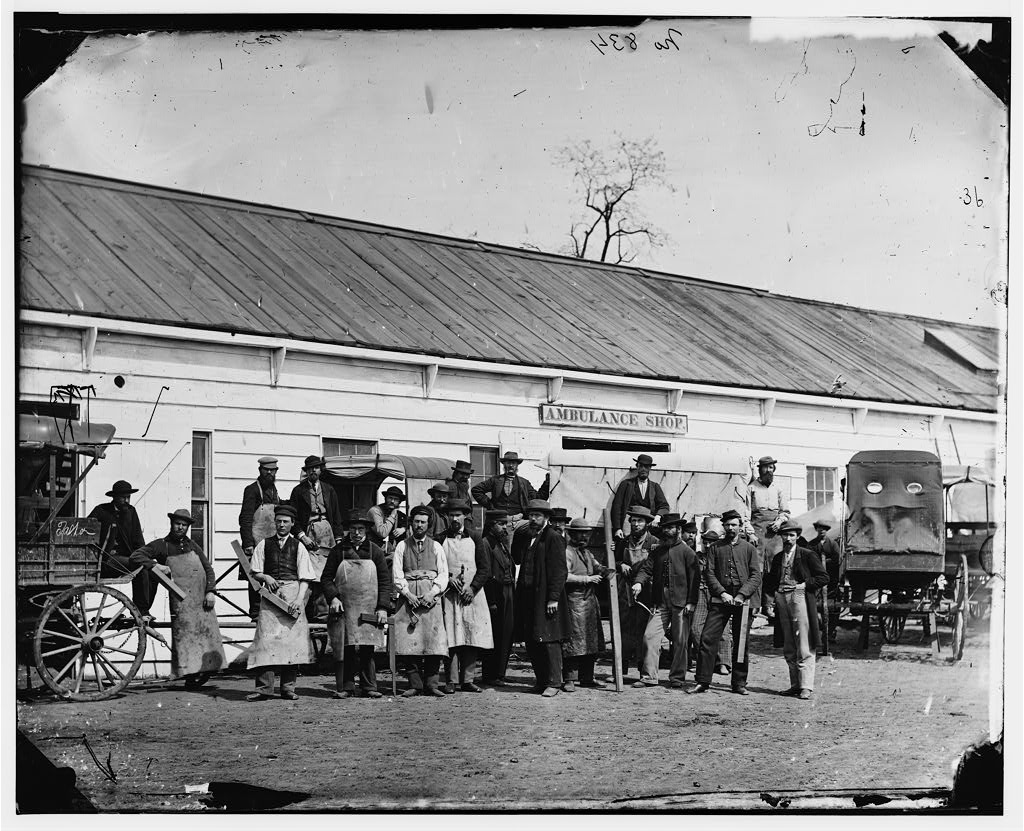
This paper studies whether a temporary government procurement program can have permanent effects on regional industrialization. Specifically, I examine the Quartermaster sites through which the Union Army procured general manufactured goods during the U.S. Civil War, placed for wartime logistical reasons and dismantled when the war ended. Procurement had large and persistent effects on the host counties: by 1890 they had 66 percent more manufacturing employment and a population 19 percent larger than comparable counties, and the gap persisted for more than a century after the sites closed. The expansion came through new establishments and new industries rather than larger plants, and made the counties less dependent on farming. Narrowly specialized Ordnance sites show no such persistence. The evidence points to a capability rather than demand: a quantitative spatial model in which procurement raised a county's rate of adopting new techniques matches the paths, and implies that the war raised Union real income 6.4 percent by 1950.
Natural Advantages and the Geography of American Industrial Growth
R.002 2026

Natural Advantages and the Geography of American Industrial Growth: Evidence from the Mesabi Discovery

Abstract
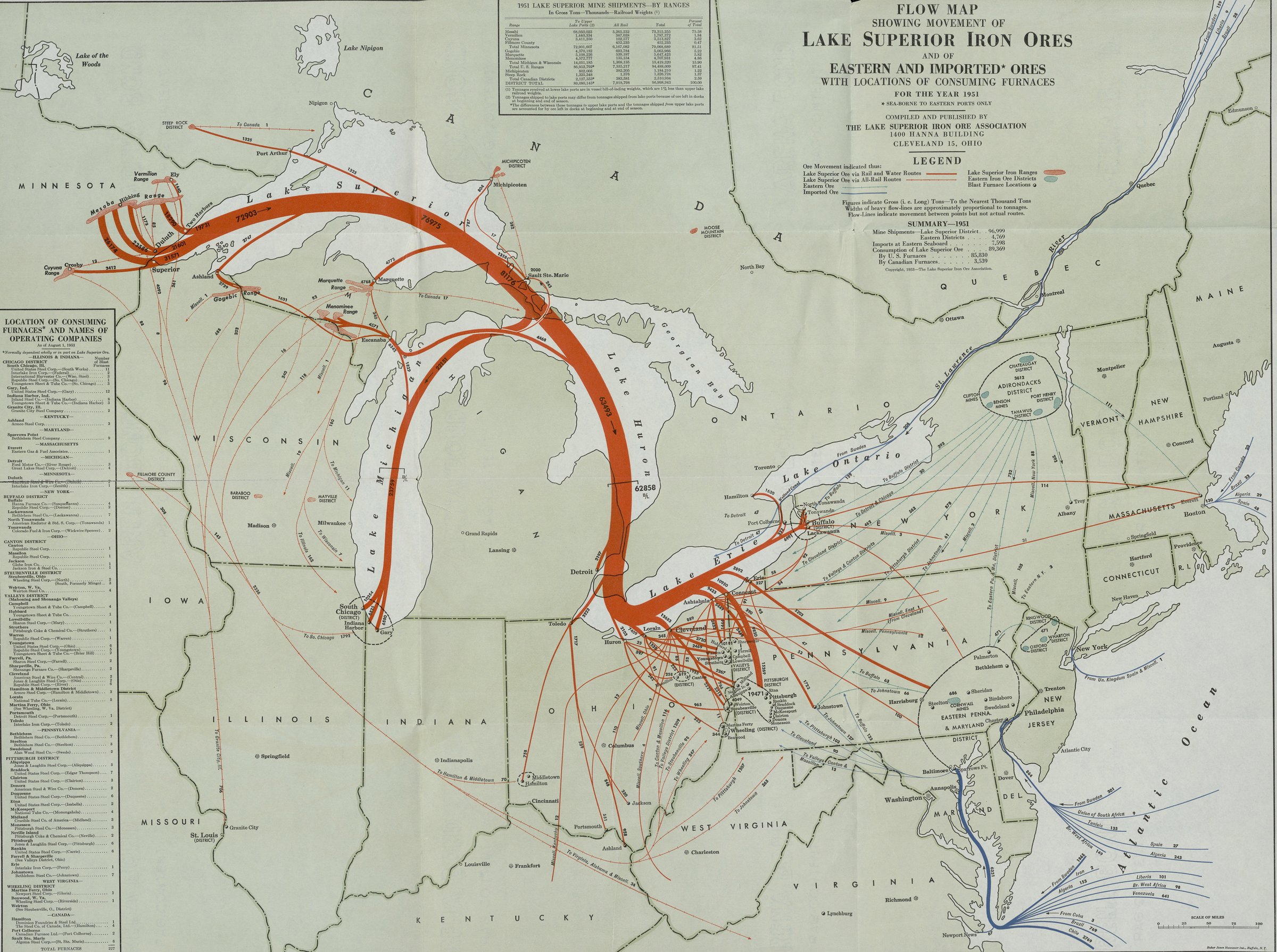
How do natural advantages shape regional industrial growth? We study a large, plausibly exogenous supply shock, the 1892 discovery of the Mesabi Iron Range, which supplied the majority of the nation's iron ore within a decade, to examine how abundant, cheap access to a primary input reshaped the growth and geography of American heavy industry. Using newly digitized establishment-level directories covering every blast furnace, rolling mill, and steel works in the United States from 1880 to 1916, linked to county employment from the decennial censuses, we show that counties with one standard deviation better access to Mesabi ore added roughly 20,000 tons of furnace capacity by 1916. The industry visibly relocated: furnace sites at old ore banks and coalfields were abandoned, while capacity concentrated at lake ports and low-cost assembly corridors. We also find substantial employment gains both in iron and steel and in related downstream industries. Altogether, these results suggest that resource abundance combined with cheap Great Lakes transport substantially shaped the economic geography and growth of American industry.
Seized Knowledge: Wartime Vesting and the Long-Run Growth of U.S. Innovation
R.003 2026

Seized Knowledge: Wartime Vesting and the Long-Run Growth of U.S. Innovation

Abstract
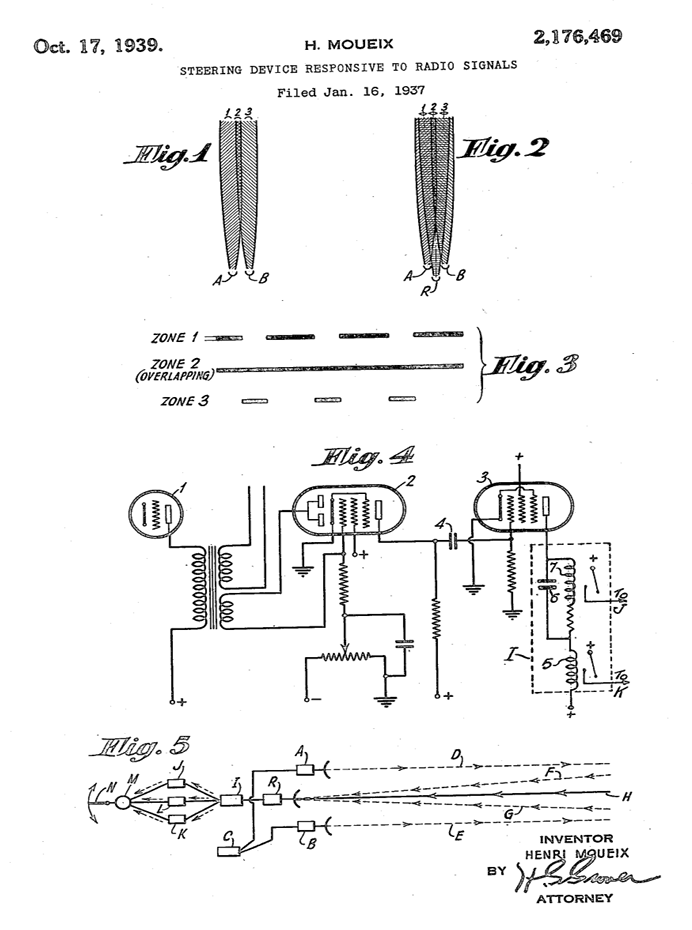
During World War II, the U.S. Alien Property Custodian seized roughly 40,000 U.S. patents owned by nationals of Axis and enemy-occupied countries and licensed them royalty-free to any American firm. We digitize the Custodian's catalog of vested patents and link it to all U.S. patents filed between 1920 and 1975. Because foreign patentees specialized in particular fields, exposure to vesting varied sharply across narrowly defined technology classes. In an event-study design comparing exposed and unexposed patent subclasses, patenting by inventors from Axis and occupied countries fell by about three quarters and never recovered, while patenting by U.S. inventors rose after 1942 and reached 35 to 49 percent above unexposed technologies by the 1960s. Gains were largest for U.S. firms and robust to controlling for wartime federal research funding. The findings suggest that access to existing foreign knowledge contributed to the postwar takeoff of U.S. innovation.
R · II

Work in Progress

[ note ]
  • Big Plants for Poor Places: State-Led Industrialization and Local Development

  • Dams, Power, and Local Structural Change: A Big Push in an Agrarian Economy

  • Industry by Design: Wartime Coordination and Industry Creation